
How Beverage Manufacturers Use R&D to Reduce Reformulation Costs
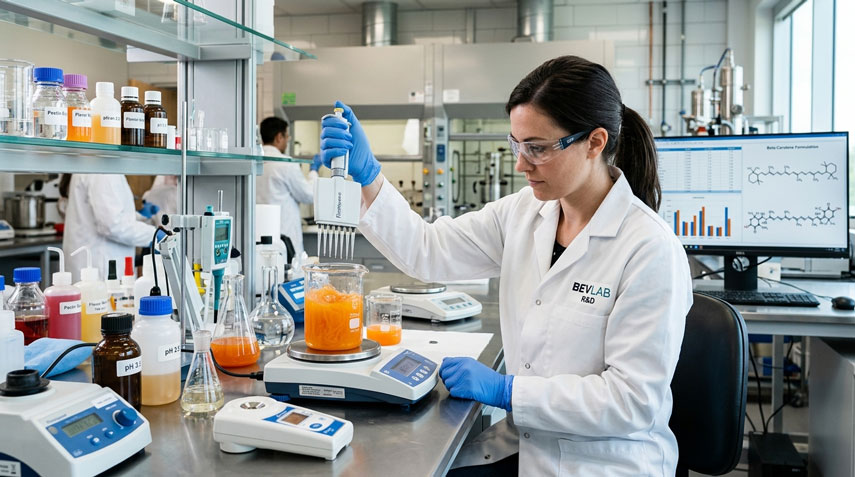
Today’s dynamic beverage industry faces unprecedented pressures to adapt to shifting consumer preferences (such as the sugar reduction trend), supply chain fluctuations, and stringent regulatory requirements. These changes force manufacturers to continuously alter and modify product formulations. If this process is handled traditionally and reactively, it can be highly costly and time-consuming. However, leading brands mitigate production risks and minimize reformulation costs by relying on Beverage Industry Innovation Through R&D. Targeted research and development shifts the trial-and-error process from expensive production lines into a controlled laboratory environment.
Key Takeaways
- Prevention Over Cure: Shifting formulation challenges to the laboratory phase (Pilot Scale) prevents capital waste on an industrial scale.
- Preserving Sensory Integrity: Rigorous evaluations within the R&D department ensure that organoleptic properties (taste, aroma, and texture) remain consistent throughout formulation changes.
- Open Innovation: Leveraging co-creation and strategic partnerships in R&D to drive down internal costs.
- Accelerating Time-to-Market: A structured R&D process drastically speeds up the cycle from initial design to final production.
The Crucial Role of R&D in Predicting Ingredient Interactions
When forced to replace a raw material (for example, using alternative sweeteners instead of sugar), it isn’t just the taste of the product that changes; the beverage’s viscosity, textural stability, and mouthfeel undergo fundamental alterations as well. In the past, resolving these issues required running large trial batches on the production line, which resulted in wasting massive amounts of raw materials, energy, and time.
Today, R&D teams use simulation techniques and pilot-scale production to predict how new ingredients will behave under thermal stress and pH fluctuations. By closely examining the chemical and physical interactions of ingredients, the R&D department identifies the product’s need for specific stabilizers in the very early stages. This proactive approach, which lies at the core of Beverage Industry Innovation Through R&D, guarantees that the final formulation is completely stable and optimized before it ever reaches the main production line.
Flavor Engineering and Sugar Reduction: A Strategic Challenge
One of the most expensive types of reformulation is sugar reduction projects. Reducing sugar causes a loss of volume and alters the sensory profile of the beverage. This is where flavor mapping and flavor engineering by the R&D unit come into play. Using precise sensory analysis, experts select a matrix of hydrocolloids and flavor modulators to recreate the exact sensory experience of the original product without requiring frequent production line halts. This scientific precision prevents the exorbitant costs of product recalls.
Open Innovation and Co-Creation in the Beverage Industry
To further reduce R&D costs, many manufacturers utilize open innovation strategies. Instead of trying to solve all formulation bottlenecks internally, they collaborate with raw material suppliers, food-tech startups, and research centers. This approach, an integral part of Beverage Industry Innovation Through R&D, ensures that technical know-how is transferred to the organization faster and at a lower cost, thereby reducing the overhead expenses associated with hiring multiple specialists or purchasing expensive lab equipment.
Optimizing Resources and Maximizing ROI
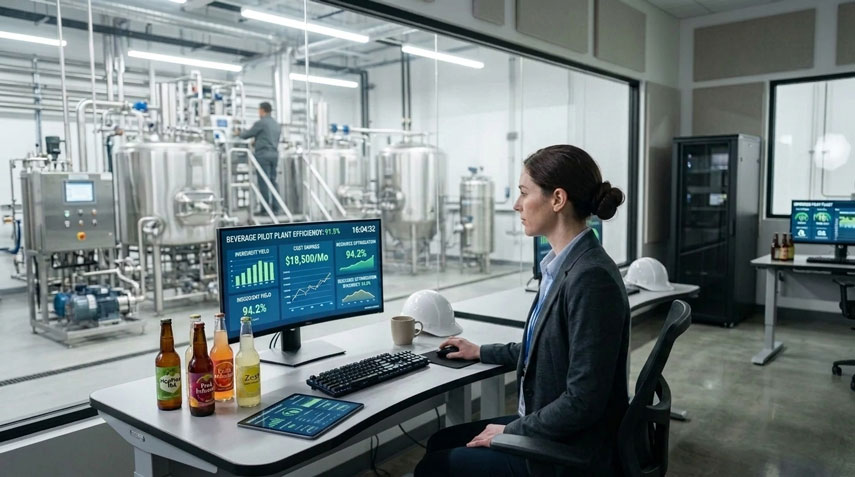
Reducing reformulation costs through R&D directly impacts a company’s profitability. From a business perspective, the true value of a robust R&D unit lies in preventing hidden costs:
- Reducing Production Waste: By solving instability issues (such as phase separation or sedimentation) in the lab phase, the manufacturing of defective batches (batch failures) is entirely prevented.
- Optimal Use of Raw Materials: By accurately determining the minimum required dosage for stabilizers, colors, and flavorings, R&D teams reduce ongoing procurement costs.
- Standard Compliance: Integrating HACCP and ISO requirements during the initial formulation design phase prevents future costs related to quality non-compliance.
- Maintaining Customer Loyalty: From a sensory standpoint, even the slightest drop in beverage quality can lead to customer churn. Rigorous sensory evaluations in the R&D unit ensure that the consumer experience remains constant, thereby preserving brand equity.
Conclusion
Truly cutting reformulation costs is impossible through superficial changes on the production line alone; this goal demands deep investment and a strong focus on the R&D unit’s capabilities. By adopting scientific strategies and leveraging Beverage Industry Innovation Through R&D, manufacturers can manage complex ingredient interactions, minimize waste, and consistently deliver a high-quality product to the market. To learn more and receive specialized technical consultation on optimizing your R&D processes, visit imbevia.com today.
Frequently Asked Questions
1. How does R&D reduce the hidden costs of reformulation?
By conducting precise testing on a lab and pilot scale, the R&D department eliminates the need for expensive trial and error on industrial production lines, effectively preventing resource waste.
2. Why is R&D innovation essential for sugar reduction projects?
Reducing sugar directly impacts the mouthfeel and stability of the beverage. Through Beverage Industry Innovation Through R&D, experts can compensate for this drop in quality using appropriate substitutes and stabilizers long before mass production begins.
3. What is the role of sensory evaluation in the R&D phase?
Sensory analysis is a critical tool that helps formulators ensure that modifications made for cost reduction or regulatory compliance will not have any negative, discernible impact on the final product’s taste and appearance for the consumer.