
Artificial vs. Natural Colorants in Beverages: A Technical Comparison for Formulators
In the beverage industry, the color of a product is the consumer’s first point of interaction and directly influences their perception of taste and quality. Selecting the right Food Colorants In Beverages is one of the most challenging steps for formulators and food industry engineers.
Today, the shift in consumer behavior toward clean-label products has drastically increased the demand for replacing artificial colors with natural extracts and herbal concentrates. In this technical article, we examine the structural differences, advantages, limitations, and quality standards of these two categories of food additives on an industrial scale.
The Importance and Role of Food Colorants In Beverages in Formulation
Food colorants not only shape the visual identity of a beverage but must also maintain their stability throughout the product’s shelf life. When developing a new product, formulators face numerous thermodynamic and chemical variables.
The main challenge in using Food Colorants In Beverages is maintaining color stability against factors such as ultraviolet (UV) light, temperature fluctuations during pasteurization, and changes in pHlevels.
Artificial Colorants
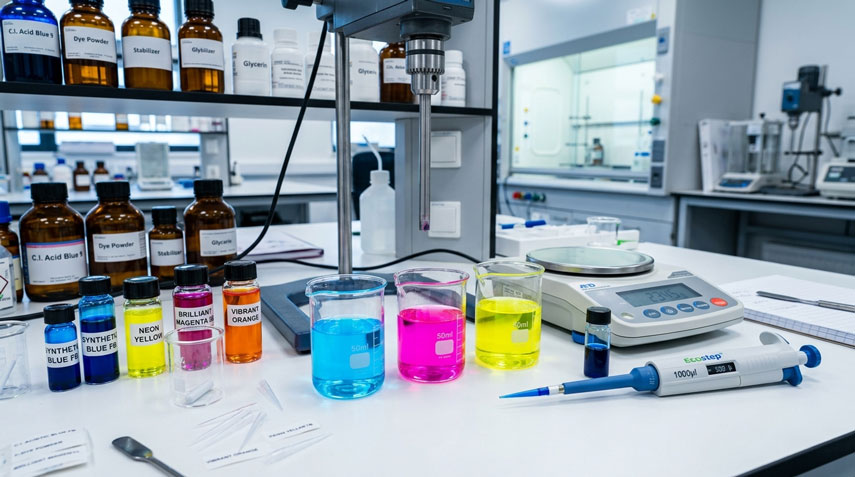
Synthetic or artificial colorants have been used in the beverage industry for decades. These colors are typically synthesized from petroleum derivatives and include options like Sunset Yellow and Tartrazine.
- Technical Advantages: Exceptionally high thermal stability, excellent oxidation resistance, and high color intensity at low dosages.
- Limitations: Strict regulatory restrictions in international markets and a declining consumer preference for products containing chemical additives.
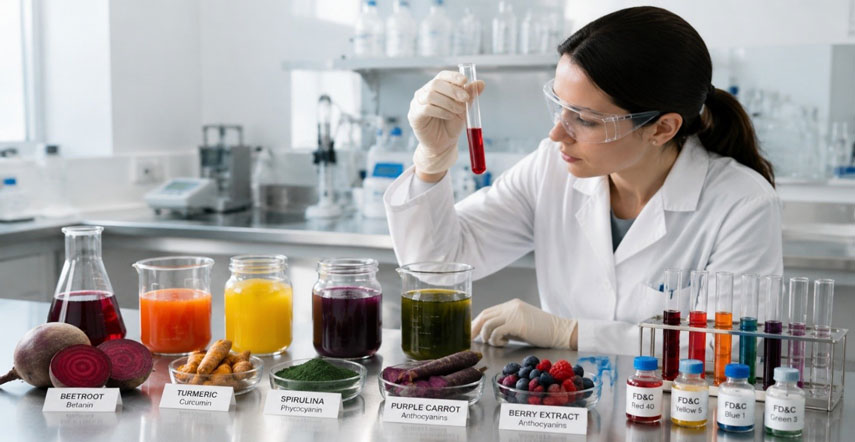
Natural Colorants
Natural colorants are extracted directly from plant sources, fruits, vegetables, and minerals. Fruit concentrates like beet juice, black carrot extract, and herbal powders containing anthocyanins and carotenoids fall into this category.
- Technical Advantages: Creation of a clean-label profile, added nutritional value (antioxidant properties), and compliance with organic standards.
- Limitations: Sensitivity to light and heat, reactivity with ascorbic acid, and color spectrum shifts due to pH fluctuations. For example, anthocyanins appear red in acidic environments (pH<4.0) but shift toward blue or purple in neutral environments.
Comparing Stability and Chemical Behavior in Industrial Processing
When selecting food colorants for mass production, evaluating the chemical behavior of the material in the production line is crucial. Artificial colorants typically do not lose their stability under severe thermal processes such as UHT (Ultra-High Temperature).
Conversely, using natural colorants requires formulation adjustments. Formulators often use techniques like microencapsulation or the addition of natural antioxidants to increase the stability of plant-based colors. Additionally, precise control of the Brix level and dissolved oxygen in the water is mandatory to prevent the degradation of chemical bonds in natural pigments.
Industrial Applications and Quality Standards
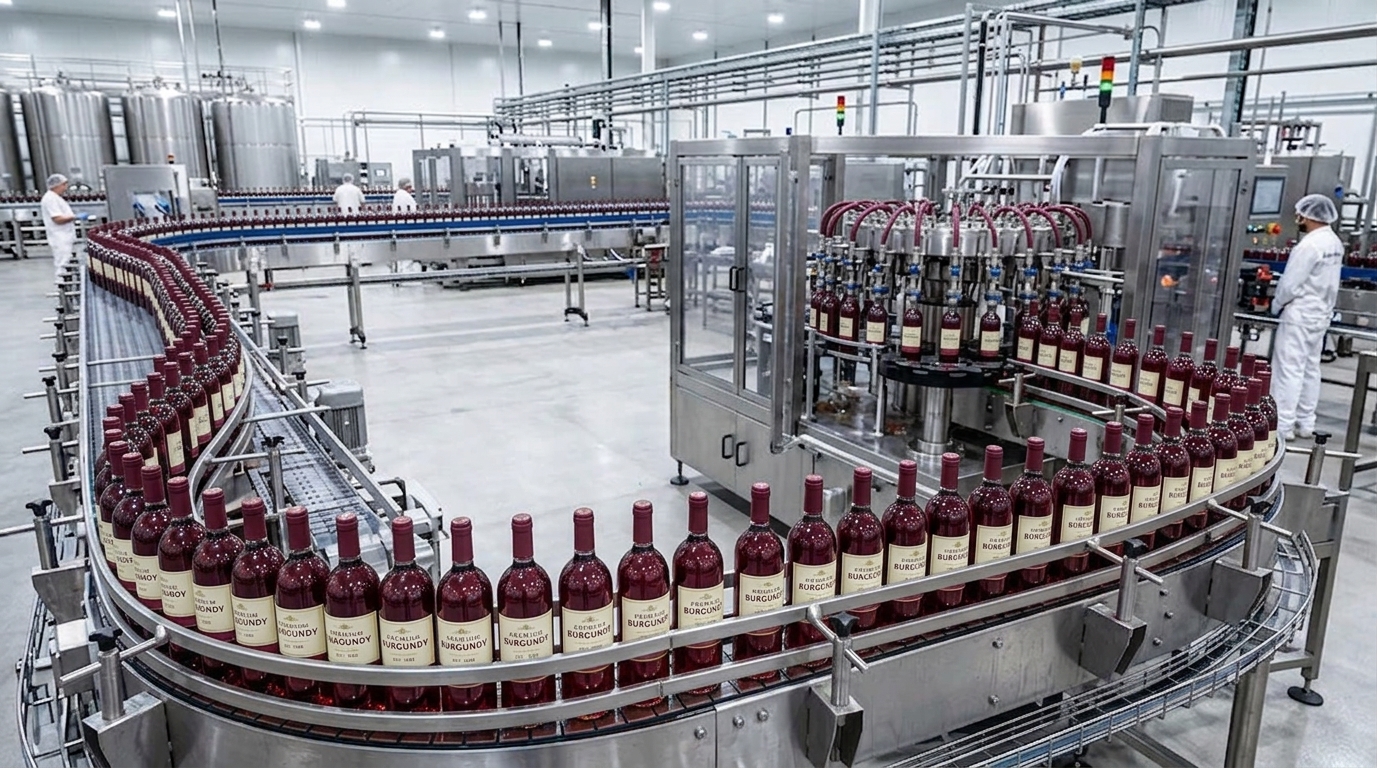
Industrial food colorants are utilized across a wide range of production lines. Choosing the appropriate grade is directly related to the type of final product.
Key Industrial Applications
- Carbonated Beverages: Require colorants with high resistance to acidic environments and carbon dioxide.
- Sports and Isotonic Drinks: Utilize natural colors with high light stability due to the use of transparent PET bottles.
- Juices and Nectars: Use fruit concentrates to enhance the product’s natural color and improve mouthfeel.
Laboratory Requirements and International Certifications
To guarantee the safety and quality of raw materials in the B2B supply chain, compliance with strict standards is mandatory:
- System Safety Certifications: ISO 22000, FSSC 22000, and Hazard Analysis and Critical Control Points (HACCP).
- Religious and Trade Requirements: Halal and Kosher certifications for export to global markets.
- Analytical Methods: Using High-Performance Liquid Chromatography (HPLC) to determine pigment purity and spectrophotometry to measure color intensity and absorbance at specific wavelengths (e.g., λ=520nm).
Conclusion and Final Selection of Food Colorants In Beverages
The choice between natural and artificial colorants depends on brand strategy, the target market, and the manufacturer’s technical infrastructure. While artificial colors offer economic advantages and high stability, the global trend clearly shows a shift toward natural raw materials and clean labels.
When selecting Food Colorants In Beverages, formulators must carefully evaluate variables such as the product’s pH, packaging type, thermal processing, and expected shelf life. Sourcing raw materials from a reputable business partner that provides consistent quality and comprehensive technical documentation is the key to success in producing a competitive beverage.